Compare Local Contractors for Drainage Sloping Projects
Compare local contractors for drainage sloping to verify experience, define project scope, and set clear expectations in writing for a successful property improvement.
Drainage sloping services typically involve adjusting the grade or slope of a property's surface to ensure effective water runoff away from foundations, walkways, and other structures. This work often includes evaluating the current landscape, excavating or grading soil, and installing appropriate drainage solutions such as swales, drains, or other systems to prevent water accumulation and potential damage. Proper drainage sloping is essential for maintaining the integrity of a property’s landscape and avoiding issues like erosion, pooling, or basement flooding, making it a critical component of site management and property preservation.
Defining the scope of drainage sloping work is an important step in ensuring the project meets specific needs and expectations. Clear scope definition includes identifying the areas that require grading adjustments, understanding the types of drainage solutions suitable for the site, and outlining the desired outcomes. Having a detailed scope helps property owners communicate their needs effectively, ensures all necessary work is considered, and minimizes misunderstandings. Additionally, a well-defined scope provides a basis for comparing different service providers and helps ensure that contractors understand the extent of the work involved.
When comparing local contractors for drainage sloping, property owners should consider their experience with similar projects, the methods they use, and their understanding of local soil and landscape conditions. It’s useful to verify that contractors have a history of completing drainage work successfully and to review their approach to defining project scope and documenting work in writing. Asking for references or examples of past projects can provide insight into their capabilities. By focusing on these factors, property owners can better assess which service providers are equipped to handle their specific drainage needs and ensure the work aligns with their expectations.
Compare local contractors by outlining project priorities, verifying experience, and setting clear expectations in writing.
- Compare Contractor Expertise - Review local contractors’ experience to ensure they are knowledgeable about drainage sloping requirements.
- Define Project Scope Clearly - Establish detailed project descriptions to set accurate expectations with service providers.
- Verify Qualifications and References - Check credentials and past work to assess the reliability of local contractors.
- Document Agreements in Writing - Ensure all project details, responsibilities, and expectations are documented for clarity.
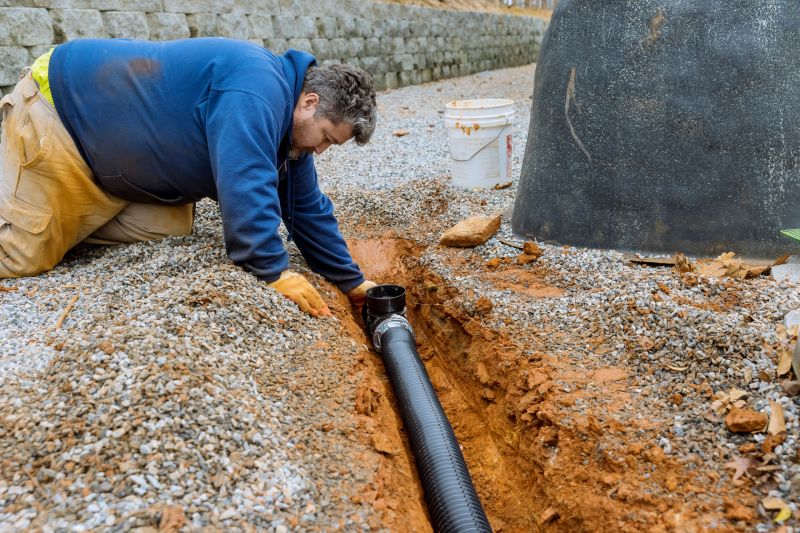
Clearly describe your drainage sloping project to help compare local contractors, define scope, verify experience, and set expectations in writing.
- Verify that drainage slopes are designed to direct water away from foundations and structures. - Ensure contractors assess the existing terrain and determine appropriate slope grades for effective drainage.
- Check that the scope of work includes proper grading techniques to establish the correct slope. - Clarify whether the project involves regrading, adding fill, or other modifications to achieve proper drainage slopes.
- Review the contractor’s experience with drainage sloping projects in similar soil and landscape conditions. - Confirm that service providers have a history of successfully completing drainage slope installations.
- Discuss and document the specific slope measurements and grading plans in writing before work begins. - Make sure expectations about slope angles and drainage outcomes are clearly outlined in the scope of work.
- Ensure the contractor evaluates existing drainage issues and incorporates solutions into their plan. - Look for service providers who identify potential problems and specify how they will address them through proper sloping.
- Compare how different contractors plan to verify proper slope during and after installation. - Ask about methods used to measure and confirm that slopes meet the necessary specifications.
Compare local contractors’ experience and clarify project scope to ensure successful drainage sloping.
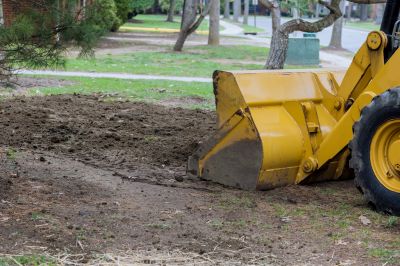
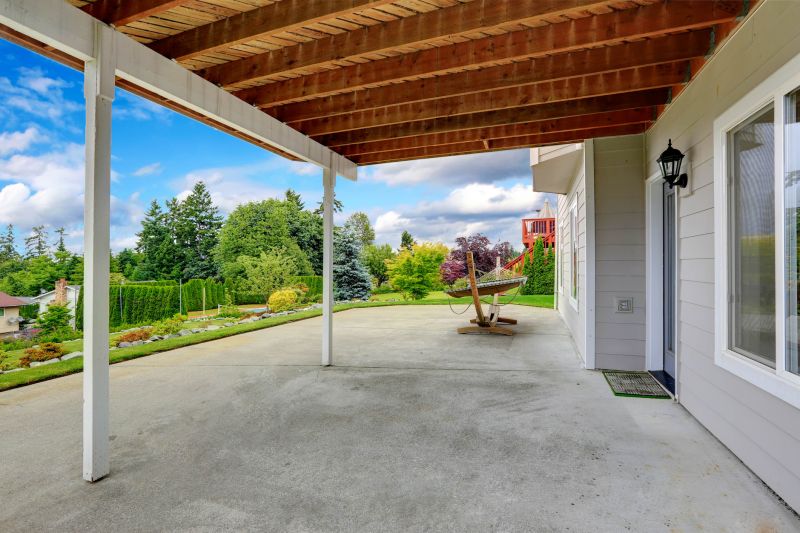
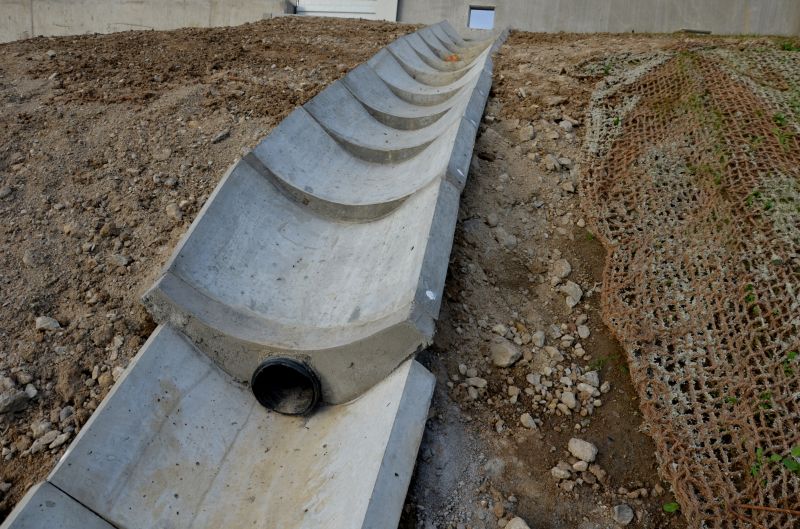
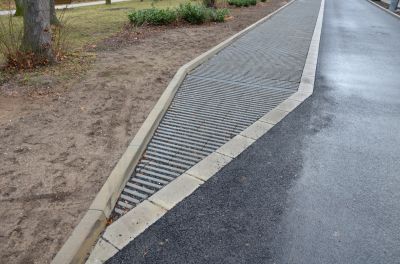
Compare local contractors’ experience and scope definitions for drainage sloping to ensure consistent standards across providers.
- Define slope specifications - establish the desired drainage slope angle and ensure it directs water away from structures effectively.
- Verify site measurements - accurately measure the area to determine the appropriate slope and drainage path.
- Assess soil and terrain conditions - evaluate soil type and terrain to determine appropriate grading methods and drainage solutions.
- Outline scope of work - specify tasks such as grading, excavation, and compaction needed to achieve proper drainage slope.
- Document expectations in writing - ensure all scope details, slope specifications, and site considerations are clearly recorded for contractor reference.
When comparing contractors for drainage sloping projects, it’s important to consider their experience with similar types of work. Homeowners should inquire about the scope of previous projects to ensure the service providers have a track record of successfully handling drainage adjustments in residential settings. A contractor’s familiarity with the specific challenges of slope correction, soil conditions, and existing landscape features can influence the quality and durability of the work. Reviewing their portfolio or asking for references related to drainage or grading projects can provide insight into their practical experience and problem-solving capabilities.
A clear, written scope of work is essential for setting expectations and ensuring all parties are aligned. Homeowners should seek detailed descriptions of the tasks involved, including the assessment process, the methods used to achieve proper drainage, and any materials or equipment that will be employed. A well-defined scope helps prevent misunderstandings and provides a basis for evaluating whether a contractor’s approach aligns with the project’s needs. Service providers who can articulate their process in writing demonstrate professionalism and a commitment to transparency, making it easier to compare different options objectively.
Verifying the basics of a contractor’s approach involves understanding their methods for assessing existing drainage issues and ensuring they plan to implement effective solutions. Homeowners should ask how contractors determine the appropriate slope, what standards or best practices they follow, and how they will verify the success of the drainage correction once completed. Contractors who can explain their verification methods-such as testing the slope or inspecting water flow-offer reassurance that the project will be approached systematically. This foundation of verification helps homeowners evaluate whether the contractor’s process is thorough and reliable.
When evaluating options, it’s helpful to consider how each contractor communicates and documents their plan. Clear written proposals, including scope, methods, and verification steps, allow homeowners to compare approaches objectively. It’s also valuable to ask about the contractor’s experience with similar projects, the complexity of the site, and their problem-solving strategies. By focusing on these aspects, homeowners can select service providers who demonstrate professionalism, transparency, and expertise, ensuring the drainage sloping work is approached with clarity and confidence.
Ask contractors to provide written scope details to ensure clarity and consistency throughout the drainage sloping project.
- Experience Verification - How can homeowners compare the experience levels of different drainage sloping contractors?
- Scope Definition - What questions should be asked to clarify the specific work included in each contractor’s scope?
- Methodology Comparison - How do local service providers differ in their approaches to drainage sloping projects?
- Material and Technique Clarification - What details should be gathered about the materials and techniques contractors plan to use?
- Written Scope and Expectations - How can homeowners ensure that project scope and expectations are clearly documented in writing?
What should I consider when choosing a contractor for drainage sloping? It's important to compare local contractors based on their experience, reputation, and the scope of services they offer to ensure they meet project needs.
How can I verify a contractor’s experience with drainage sloping? You can review their past work, ask for references, and check if they have handled similar drainage projects to assess their expertise.
Why is it important to define the scope of drainage sloping work in writing? Having a clear, written scope helps set expectations, prevent misunderstandings, and ensures all parties agree on the project details.
What questions should I ask a contractor about drainage sloping? Inquire about their previous experience, methods used, materials, and how they plan to approach your specific drainage needs.
How can I compare different contractors for drainage sloping services? Consider their experience, scope of work, reputation, and how well they understand your project requirements to make an informed comparison.
What role does communication play in hiring a drainage sloping contractor? Clear communication ensures you understand the process, set realistic expectations, and can address any concerns throughout the project.
By exploring the information provided, visitors have learned how to identify qualified contractors for drainage sloping projects, define the scope of work clearly, verify their experience, and establish expectations in writing. This knowledge can help in making informed decisions when comparing service providers to find the right fit for specific needs.
Utilizing the quote form allows visitors to easily compare local contractors, gaining insights into available options and details about their services. Taking the time to review and connect with local service providers can support a well-informed approach to selecting drainage sloping contractors suited to individual project requirements.