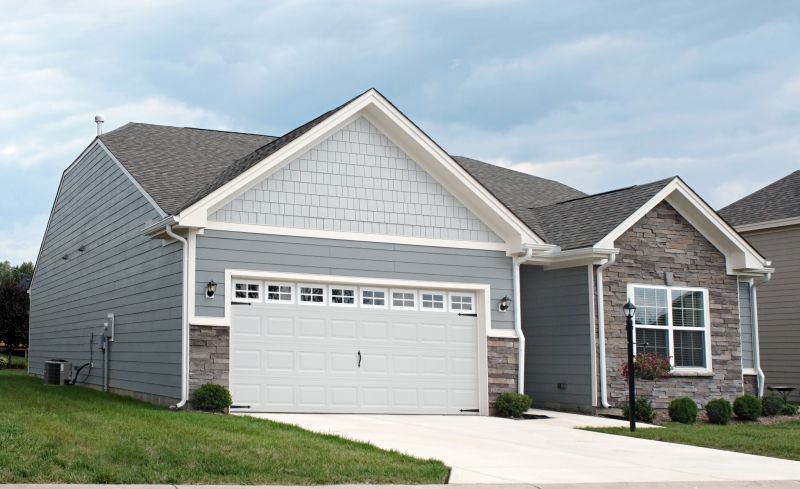
Driveway Grading in Atlanta, GA
Driveway grading services involve adjusting the slope and levelness of a driveway to ensure proper drainage and a smooth surface. This process typically includes reshaping the existing driveway surface, filling in low spots, and creating a gentle incline to direct water away from the property. Projects can range from fixing uneven surfaces caused by settling or erosion to preparing a new driveway for paving or sealing. Homeowners often request driveway grading to prevent water pooling, reduce the risk of damage, and improve curb appeal.
Before requesting driveway grading, property owners should consider the current condition of the driveway, including any signs of cracking, settling, or erosion. Understanding the existing slope and drainage patterns helps determine the scope of work needed. It’s also useful to know if any additional repairs or surface treatments are desired, as these can influence the grading approach. Clear communication about the property's drainage issues and desired outcomes can help ensure the project meets expectations.
Many property owners in Atlanta, GA look into Driveway Grading for repairs, replacements, upgrades, and appearance-related improvements.
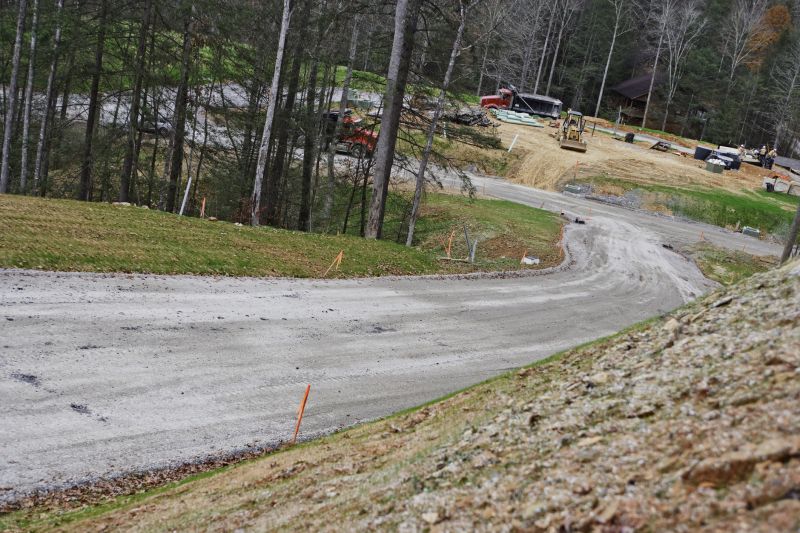
Proper Drainage For Driveways
Driveway grading ensures water flows away, preventing pooling and erosion.
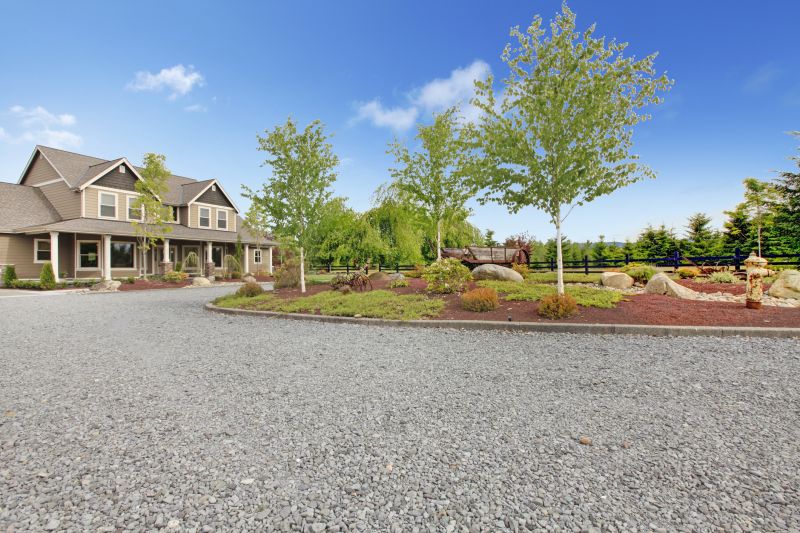
Enhancing Driveway Stability
Correct grading helps maintain a level surface and reduces the risk of cracking.
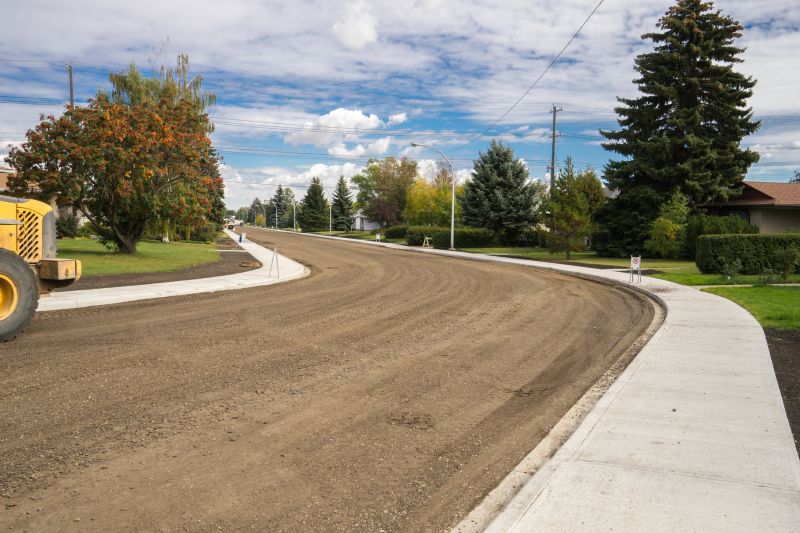
Preparing For Maintenance Or Repaving
Driveway grading creates a smooth, even foundation for repairs and resurfacing projects.
Driveway Grading in Atlanta, GA
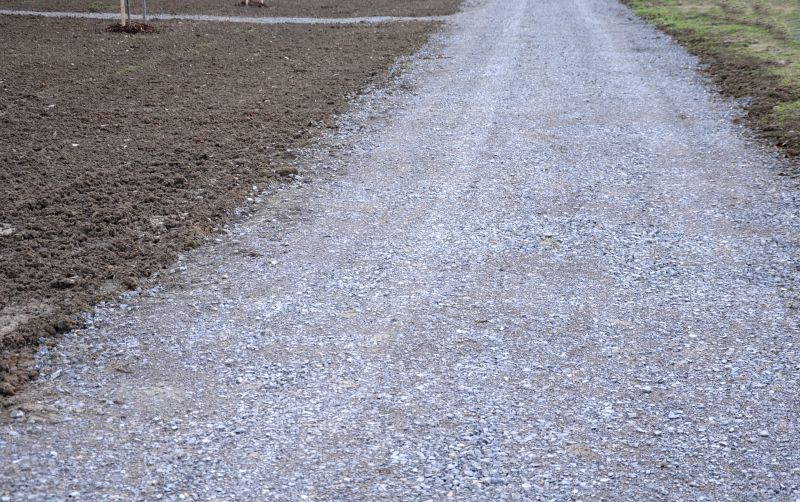
Driveway grading services involve adjusting the slope and levelness of a driveway to ensure proper drainage and a smooth surface. This process typically includes reshaping the existing driveway surface, filling in low spots, and creating a gentle incline to direct water away from the property. Projects can range from fixing uneven surfaces caused by settling or erosion to preparing a new driveway for paving or sealing. Homeowners often request driveway grading to prevent water pooling, reduce the risk of damage, and improve curb appeal.
Before requesting driveway grading, property owners should consider the current condition of the driveway, including any signs of cracking, settling, or erosion. Understanding the existing slope and drainage patterns helps determine the scope of work needed. It’s also useful to know if any additional repairs or surface treatments are desired, as these can influence the grading approach. Clear communication about the property's drainage issues and desired outcomes can help ensure the project meets expectations.
Many property owners in Atlanta, GA look into Driveway Grading for repairs, replacements, upgrades, and appearance-related improvements.
Common Driveway Grading Jobs
Driveway leveling - ensures a smooth, even surface to prevent water pooling and vehicle damage.
Grading for drainage - improves water runoff to protect the driveway and surrounding landscape.
Uneven driveway correction - addresses slope issues that cause cracks or shifting over time.
New driveway prep - prepares the surface for proper installation and long-lasting performance.
Existing driveway restoration - restores and stabilizes deteriorating or sunken driveways.
Driveway extension grading - creates a seamless transition between new and existing surfaces.
Driveway Grading Questions
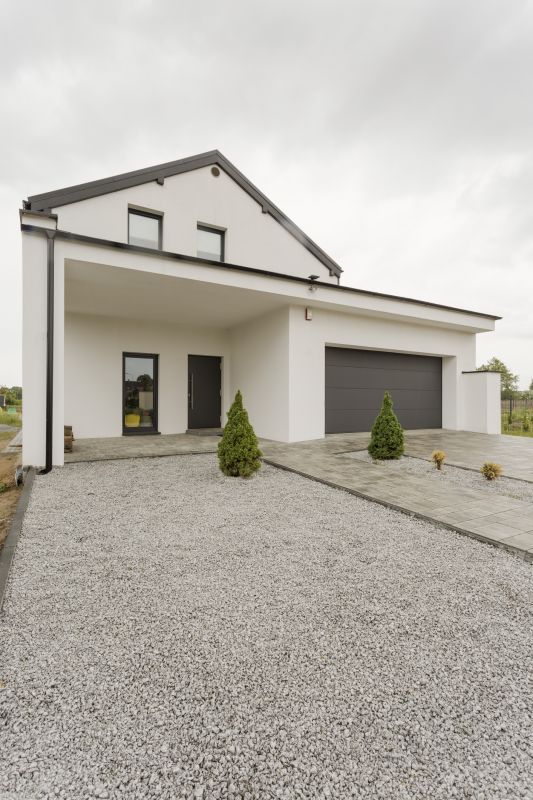
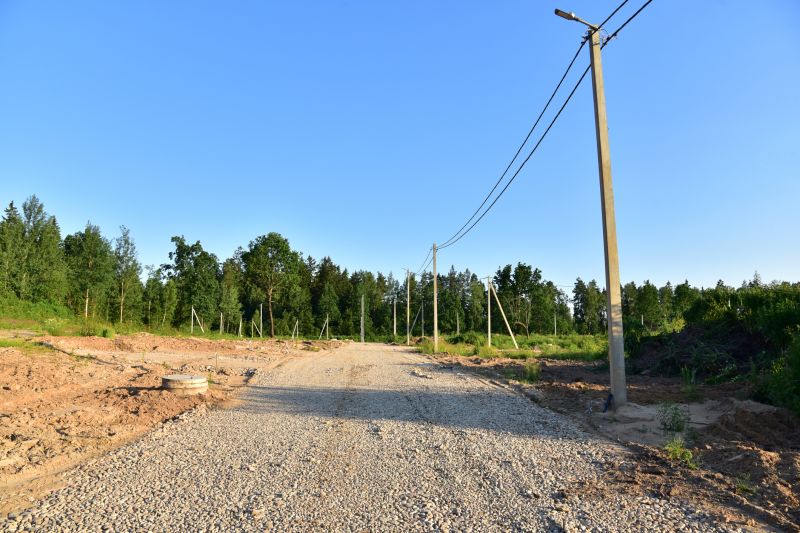
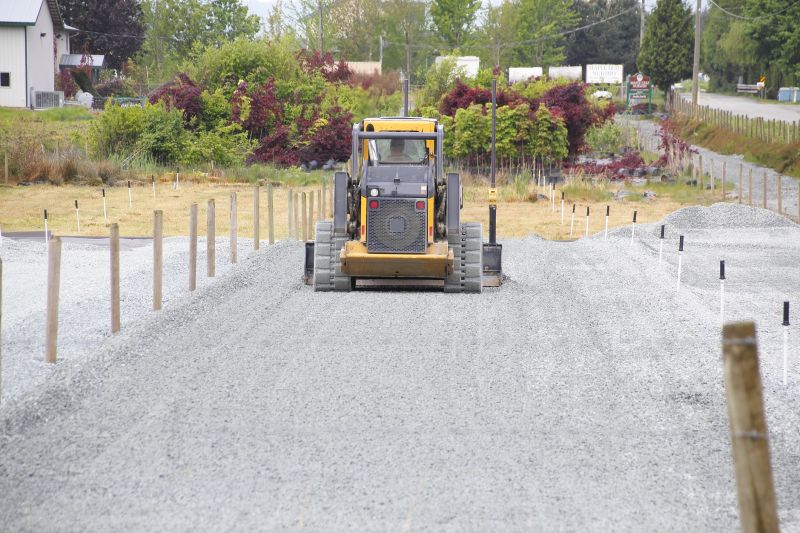
What is driveway grading? Driveway grading involves leveling and shaping the surface to ensure proper drainage and stability for vehicles.
Why is driveway grading important? Proper grading prevents water pooling, reduces erosion, and extends the lifespan of the driveway surface.
What types of driveway surfaces can be graded? Gravel, asphalt, and concrete driveways can all benefit from grading to maintain a smooth and functional surface.
When should driveway grading be performed? Grading is recommended when settling, ruts, or drainage issues become noticeable to maintain driveway integrity.
Request Driveway Grading in Atlanta, GA
Use the quote form on this page to share the basics of your project and request more information for the type of work you need.